Mental and Behavioral Health of Youth

  • Youth Suicide Rates

    One of DCYF’s health goals is for youth to experience positive behavioral and mental health. Trends in mental health over the past decade show an increase in rates of suicide and attempted suicide. Although rates began decreasing after 2021, in 2023 the rate of youth suicide and attempted suicide was still nearly 500% higher than it was ten years prior.

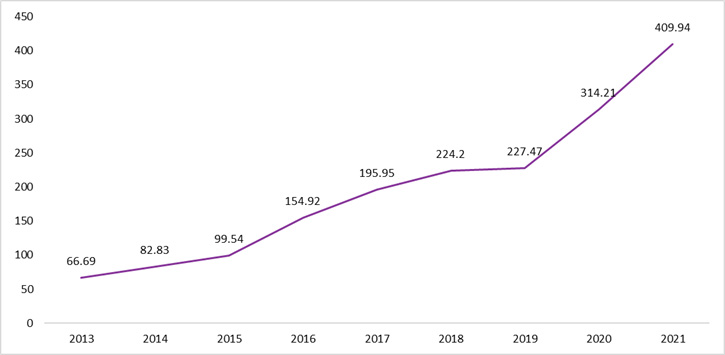
    Rate of Suicide and Suicide Attempts per 100,000 Adolescents Age 10-17, 2013-2023

      Line graph showing the Washington state rate of suicide and suicide attempts per 1000,000 adolescents age 10-17 for the years 2013-2023. The rate climbed steadily from 67 per 100,000 adolescents in 2013 to a peak of 414 per 100,000 in 2021. Between 2022 and 2023 the rate of adolescent suicide and suicide attempts decreased to 321 per 100,000

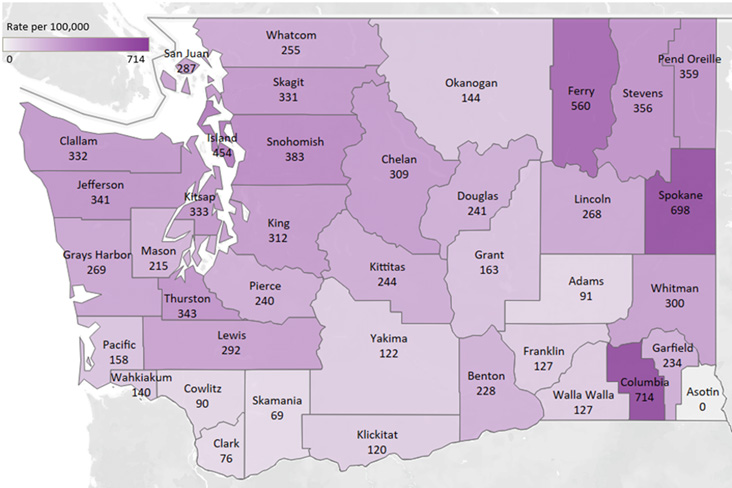
    Suicide and Suicide Attempts per 100,000 Adolescents Age 10-17, 5 Year Rate, 2019-2023

      Map of Washington state showing the 5-year rate of suicide and suicide attempts, per 100,000 adolescents age 10-17, by county, for 2019-2023. Rates ranged from a low of 56 per 100,000 suicides and suicide attempts in Asotin county to a high of 841 in Spokane county. The King county rate was 326, the Pierce county rate was 382, the Snohomish county rate was 360, and Clark county had 88 suicides and suicide attempts per 100,000 adolescents
     
  • Youth Depression

    The Healthy Youth Survey asks youth whether, over the past year, they ever felt so sad or hopeless, almost every day for two weeks or more in a row, that they stopped doing some of their usual activities. Results show that youth who live with their parents/guardians are less likely to report having been depressed than youth not living with their parents/guardians.

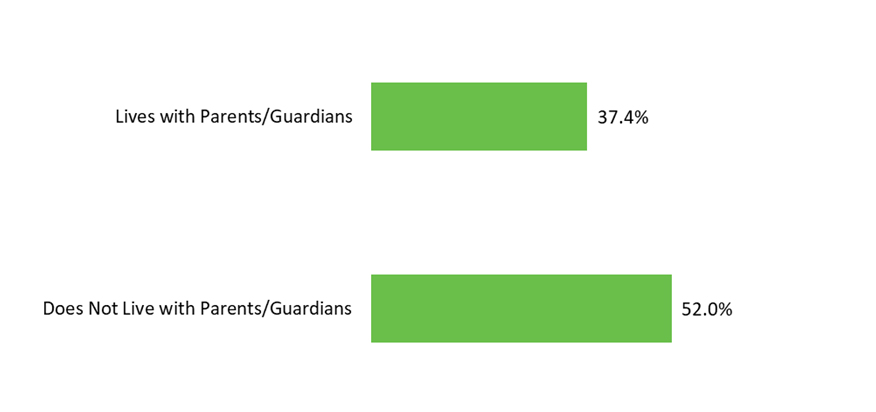
    10th Graders Reporting Depression, by Living Situation, 2023

      Bar chart showing percent of 10th graders in 2023 who had been depressed in the past year, by whether they lived with their parents/guardians. That year, 29.2% of those who lived with their parents/guardians had been depressed, while 47.7% of those who did not live with their parents/guardians had been depressed